
Early Signs of Reactivity in Dogs
Dog reactivity is a common behavioural issue that is often overlooked and misunderstood.
Characterized by “over the top” reactions toward specific triggers, like excessive barking, growling, lunging, or snapping, reactivity can quickly escalate into a serious and possibly dangerous problem.
While it can manifest in many forms and severities, early identification is the key to effective management and training.
By recognizing the subtle signs of reactivity in your puppy (or full-grown dog), you can take proactive steps to address the issue before it becomes something significantly more concerning.
In this post, I will help you identify these early warning signs, understand their significance, and determine the next best steps for your dog’s health and well-being.
Understanding Normal Puppy Behaviour
Before identifying reactive behaviours, we must first understand what is considered normal puppy behaviour.
Puppies are bundles of energy, and their high-energy nature often manifests in playful nipping, biting, and boundless enthusiasm.
This over-the-top excitement is a natural part of their development as they explore their surroundings, learn social cues, and discover how they are expected to act.
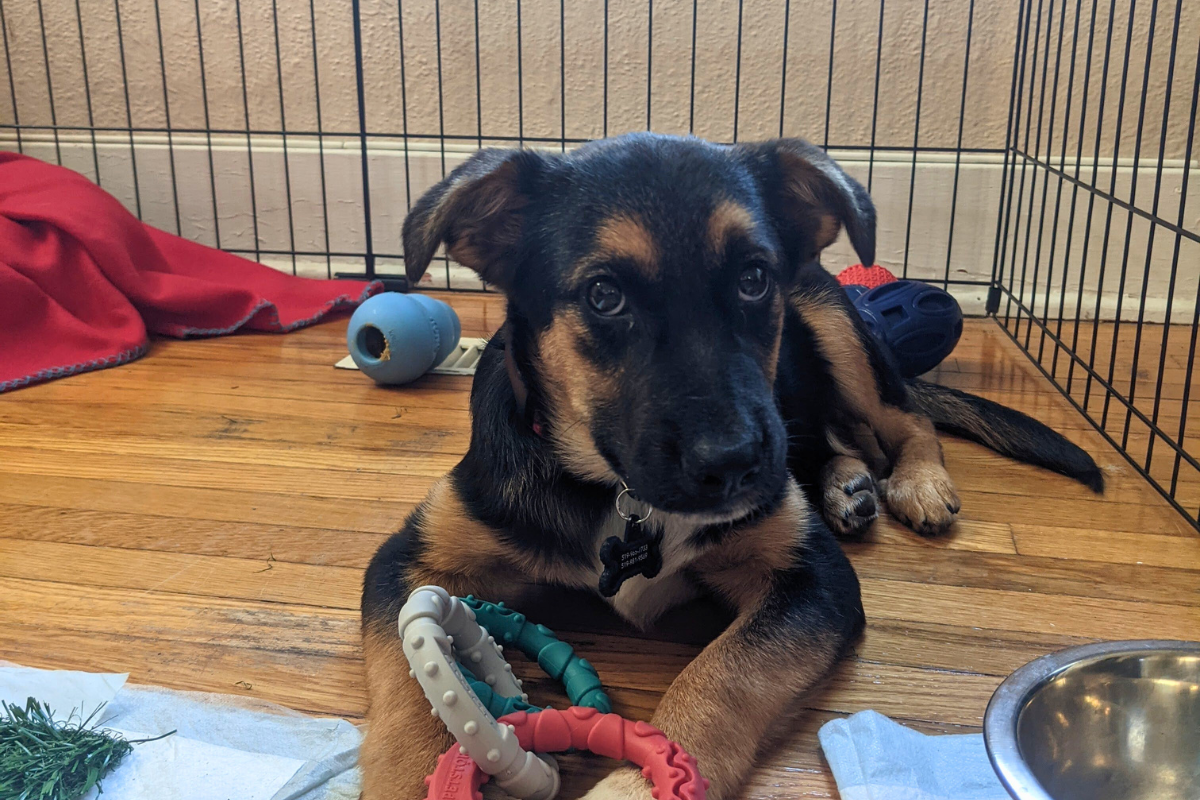
Some breeds take this to an even greater extreme. Lucifer, being a German Shepherd/Australian Cattle Dog mix, quickly earned his nickname of Chaos Demon.
It’s also common for puppies to show higher levels of excitement when encountering new people or other animals. Tail wagging, jumping, and vocalizations are typical expressions of joy and anticipation.
However, it’s important to distinguish between healthy excitement and early signs of anxiety or stress, which can escalate into reactive behaviours.
While this “zest for life” is normal and even endearing at times, dog parents must monitor their intensity and frequency. If you notice a significant increase in this excitement, such as excessive barking, lunging, or snapping, it may be an early indication of reactivity.
By recognizing these subtle changes, you can intervene early and implement the appropriate training and management strategies to keep your dog and those around you safe.
Early Signs of Reactivity: What to Look Out For
As puppies mature (or as a newly adopted dog settles into their new environment), it’s important to be mindful of any subtle changes in their behaviour or red flags that may indicate the emergence of reactivity.
Increased Arousal
One of the earliest signs is increased arousal. This means your puppy is becoming increasingly excited by the presence of a trigger, which can grow to be “too much.”
This can manifest in various ways, such as stiffening of the body, a high and fast tail wag, and intensely staring at a trigger.
These seemingly minor cues can signal underlying tension and anxiety.
While many people associate reactivity with aggression, it can also refer to situations where a dog overreacts due to excitement. While the underlying emotion differs, it can still result in big troubles.
Vocalization
Another red flag to be aware of is excessive vocalization. While barking, growling, or whining is normal (you have a real dog, not a stuffed toy), excessive or persistent vocalization can be a sign of reactivity, especially when directed toward a specific trigger.
Pay attention to the tone and intensity of your dog’s vocalizations, as they can provide valuable insights into your puppy’s emotional state.
Physical Signs of Anxiety
Finally, physical signs can also reveal early signs of reactivity. These signs can also help identify when vocalization crosses a line into the trouble zone.
Lunging, barking, or snapping at triggers, such as other dogs or people, clearly indicates that your dog is getting over-aroused.
Additionally, excessive licking of their lips or yawning may suggest your dog is feeling stressed or anxious.
Other physical signs of anxiety to watch out for include:
- Excessive drooling or panting
- Shaking or trembling
- Restlessness
- Rapid blinking or dilated pupils
- Wide eyes (known as whale-eyeing)
- Ears pinned back against their head
- Tail tucked between their legs
By recognizing these early warning signs, you can take steps to address the issues and prevent it from escalating.
Common Triggers for Reactivity
Understanding the triggers that may set your dog off is essential in learning how to best manage your dog’s behaviour and personalize their training for future success.
While every dog is unique, some common triggers are known for often provoking a reactive response.
One of the most common triggers reactive dog parents report is the presence of other dogs. Your dog may react aggressively to unfamiliar dogs, especially those they see as a threat or a competition for resources (like food, treats, or toys).
Alternatively, they may react out of excitement and frustration of not being able to get to the other dog to play.
This can manifest in barking, lunging, or even snapping.
People can also be triggers for reactive behaviour, especially if a dog has had negative experiences with humans in the past.
Fear, anxiety, or past trauma can lead to defensive or aggressive responses towards people, particularly strangers.
For example, our sweet boy Lucifer came from a traumatic abuse situation. As a result, he is terrified of any people he doesn’t know, especially men, causing him to display reactivity.
Certain loud noises, like fireworks, thunder, or traffic, can trigger fear and anxiety in some dogs. This can lead to barking, whining, trembling, or attempts to escape.
Finally, specific environments can also be triggers for reactivity. A dog may become anxious or reactive in veterinary clinics, grooming salons, or other unfamiliar places.
This can be due to a past negative experience or simply the stress of being in a new and overwhelming environment.
Some reactive dogs will have a single trigger, while others will react to a variety of different situations.
The Importance of Early Intervention
Early intervention is key to successfully addressing reactivity in your dog. This will allow you to take the steps necessary to help your pup work through their big feelings while helping to reduce the severity and frequency of their reactive behaviours.
Early socialization and training are the most effective ways to prevent reactivity.
Exposing puppies to a variety of people, dogs, and environments from a young age can help them develop positive associations, building their confidence while reducing fear and anxiety.
Positive reinforcement training techniques, such as reward-based methods, can also be used to teach calm and polite behaviour in various situations.
Of course, if you have adopted a dog later in life or a puppy who has already developed these underlying fears, you may have to shift your focus from prevention to management and finding a solution.
If you notice any signs of reactivity in your puppy or newly adopted dog, I recommend consulting a professional dog trainer or certified behaviourist.
They can provide personalized guidance and training strategies tailored to your dog’s specific needs. A qualified professional can help you identify the underlying cause(s) of your dog’s reactivity, develop management plans, and implement training techniques to set you both up for long-term success.
Finding an Early Path Forward
Recognizing the early signs of creativity is crucial for addressing this issue effectively and improving your dog’s overall quality of life.
By understanding normal puppy behaviour and being attuned to subtle changes in your pup, you can identify potential triggers and take steps to intervene.
Remember: Early intervention is key to preventing reactivity from escalating.
If you suspect your puppy (or newly adopted dog) is showing signs of reactivity, don’t hesitate to seek professional help. They can provide expert knowledge and guidance to boost your chances of success.
It’s important to approach reactivity with patience, understanding, compassion, and positive reinforcement.
Avoid punishment-based methods, as they can increase fear and anxiety. Instead, focus on creating a calm and supportive environment, managing exposure to triggers and rewarding calm and polite behaviour.
By taking these steps early in your puppy or dog’s life, you can help your pup develop into a well-adjusted and happy companion for all of life’s adventures together.

