How to Create a Fear-Free Space at Home
Imagine creating a world where your once-fearful pup feels safe and secure in their own home. A place where they can relax, play, and simply be without the constant anxiety and stress that reactivity often triggers. This is the power of a fear-free space.
Unfortunately, while the concept sounds incredible for many reactive dog parents, bringing it into reality can be a challenge. From barking fits to biking risks, the behaviours can be frustrating and overwhelming. Attempting to address and manage the situation can introduce additional stress, making the whole situation worse.
Good news! By understanding your dog’s triggers, implementing effective training techniques, and providing ample enrichment, you can take the steps necessary to transform your home into a haven of peace and tranquillity.
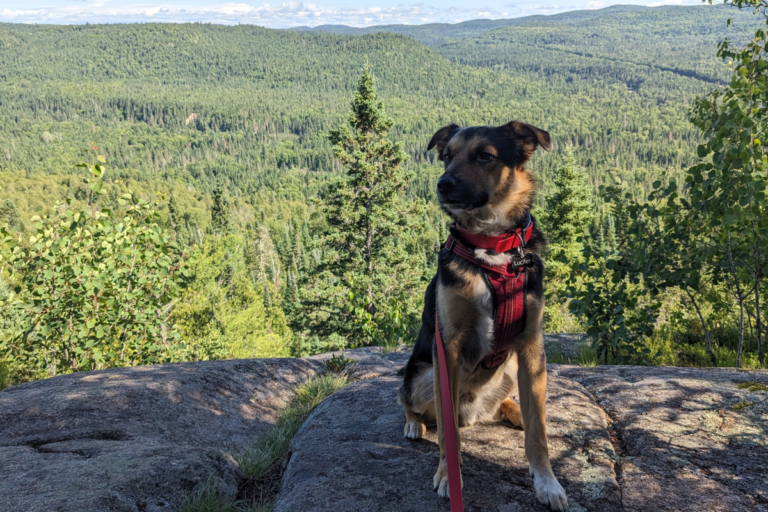
In this blog post, I’ll share practical strategies we use to create a fear-free space for our little man, Lucifer. With a few simple preparations, you can provide a space where your reactive dog can thrive.
Understanding Your Dog’s Triggers
The first step to creating a fear-free space for your reactive pup is understanding what triggers their anxiety or aggression. By identifying these triggers, you can minimize their impact, thus creating a calmer environment.
Common triggers for reactive dogs can vary widely, but some of the most common include:
- Loud noises
- Unfamiliar people
- Specific clothing or traits (hats, beards, etc.)
- Other animals (pets and/or wildlife)
- Fast-moving vehicles (cars, bicycles, etc.)
- Specific locations
To accurately identify what triggers your dog, you must pay careful attention to their attempts to communicate with you. This includes body language and changes in behaviour.
Keep an eye open for signs of stress like growling, excessive barking, cowering from a trigger, tail tucking, or lip licking.
A helpful tool recommended to us early in Lucifer’s journey is a trigger log. This is a simple journal where you record incidents, including the specific trigger (if you can identify it), your dog’s reaction, and the context of the situation.
Over time, you can use this log to identify patterns and better understand your dog’s reactivity. With this knowledge, you can develop strategies to manage these triggers better.
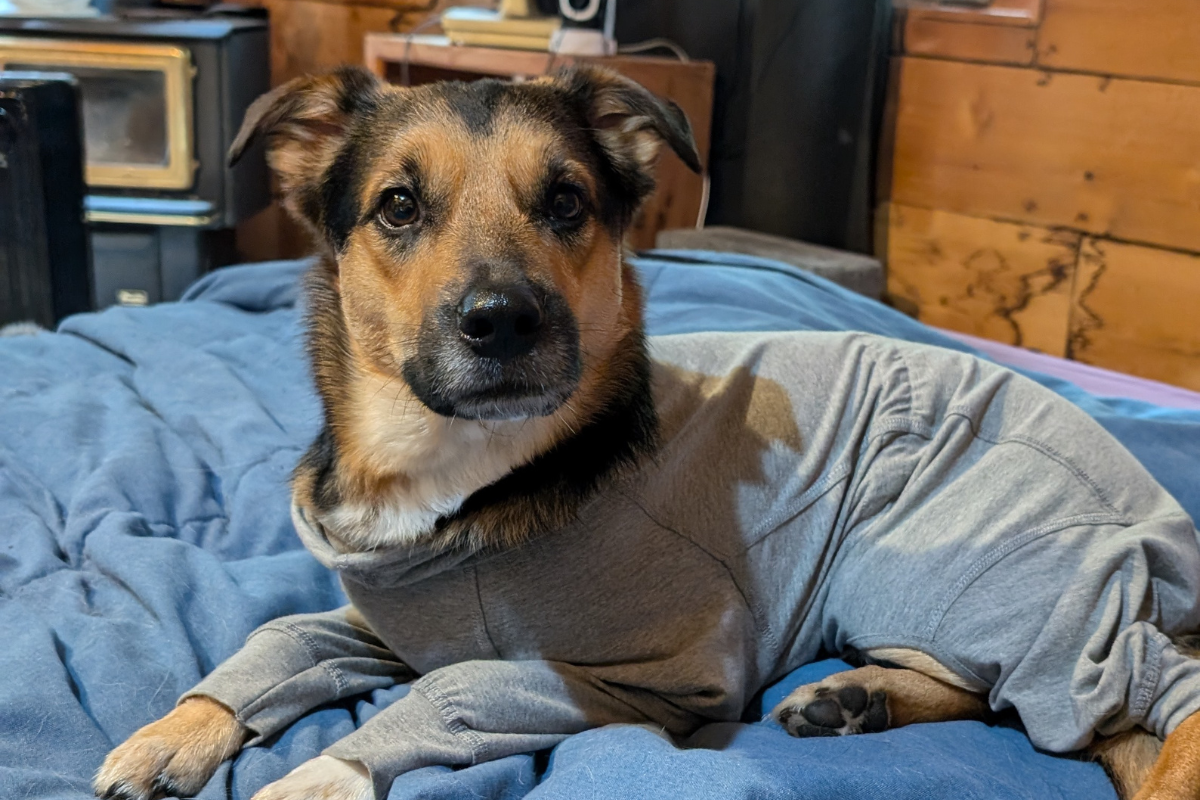
For example, we quickly recognize that Lucifer is most anxious and nervous when he is in the presence of any male he doesn’t know.
Recognizing this, we avoid putting him in situations where he has to engage with strangers. If we have company coming over (therefore bringing strangers into his space), we set up a safe area of the home where he can feel secure (more on that later).
In this way, we can take our understanding of his triggers and use that information to give him the best quality of life.
Creating a Calm Home Environment
A calm and predictable environment is the secret to managing your reactive dog’s big feelings at home. Minimizing stressors and providing enriching activities can reduce stress and anxiety, helping them feel safe and secure in their space.
Here are a few tips that will help you create an effective safe space in your home:
Focus on Minimizing Stressors
To minimize stressors, start by identifying any noise triggers present in your home that could add to your dog’s anxiety. This could include loud traffic, construction (in the house or nearby), or even noisy neighbours.
Consider using soundproofing techniques like thick curtains or soundproofing foam to dampen noise levels where necessary.
You can reduce the amount of soundproofing work necessary by designating quiet zones in your home. This will allow you to focus your efforts on this area, creating a space where your dog can retreat to escape noises and distractions.
A consistent routine can also help to significantly reduce your dog’s anxiety.
Stick to a regular schedule for feeding, walking, and playtime. This helps to create a feeling of predictability, helping provide comfort and security for your dog.
When possible, avoid sudden changes to the routine, as they can create unnecessary stress.
Offer Enrichment Opportunities
Another secret to helping your reactive dog relax is offering opportunities and activities to stimulate them mentally and physically.
Puzzle toys are a great way to provide mental challenges. Choose toys that are challenging but not overly difficult to avoid frustration. Most brands offer different challenge levels to allow you to create the best experience for your pup.
Chewing can also be a calming activity for dogs. Offer your dog a variety of chew toys to keep them occupied, paying attention to which chews they enjoy most.
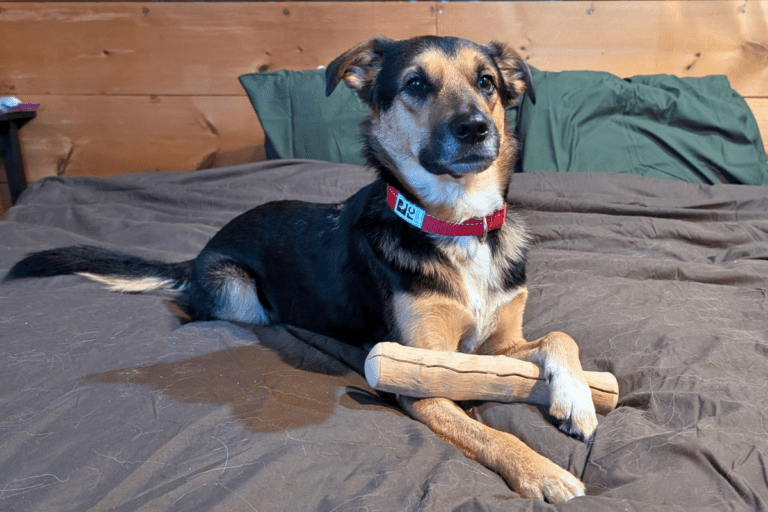
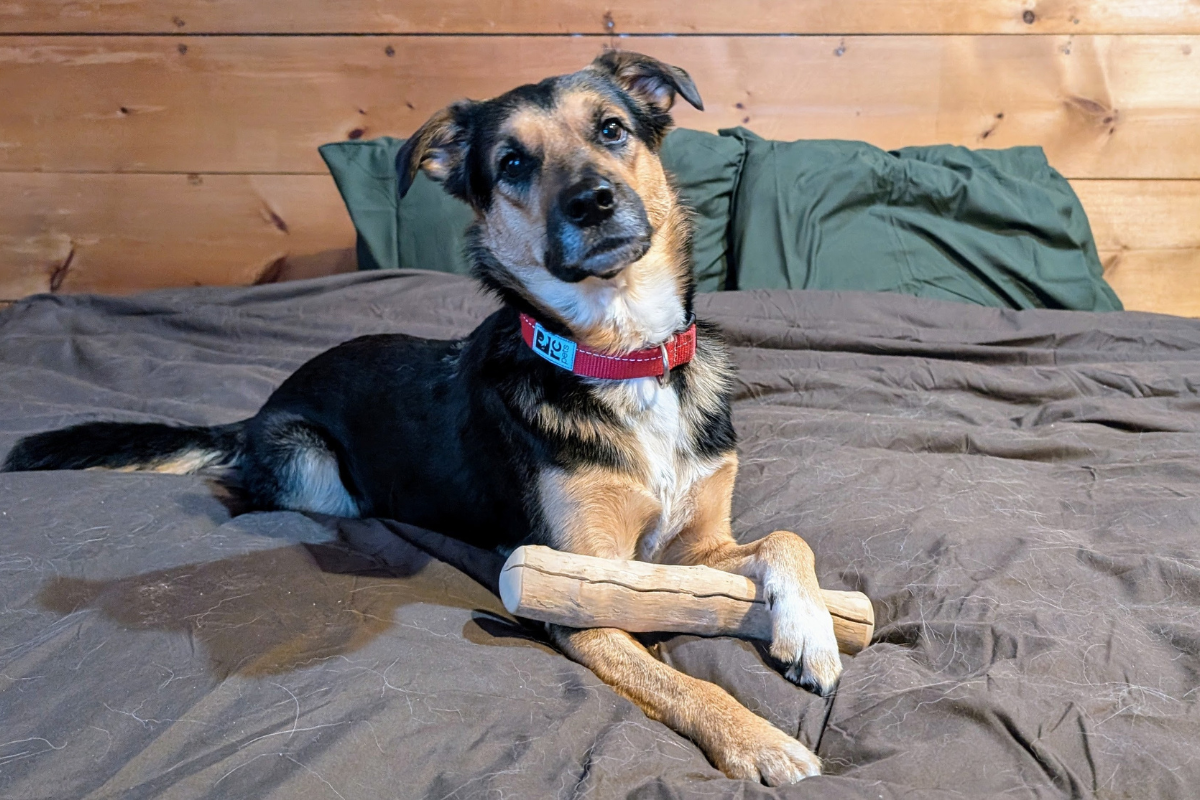
We recently purchased Canophera coffee wood chews for our pups, and Lucifer has quickly shown us this is a favourite.
Leverage Positive Reinforcement Training
Training sessions are also a great way to offer enrichment for your dog. Positive reinforcement focuses on rewarding calm and relaxed behaviour, helping you shape desired behaviours and build a strong bond with your dog.
It’s essential to avoid punishment, especially when working with a reactive pup. This can quickly escalate feelings of fear and anxiety, increasing the risk of a reactive or aggressive response.
Instead, focus on positive reinforcement to encourage good behaviour. If you’re unsure about the best training techniques, consult a qualified dog trainer or behaviourist for professional advice and valuable guidance.
Managing Triggers in the Home
Once you have created a safe space in the home for your reactive pup to feel secure, it’s time to develop strategies to manage any unavoidable triggers your dog may experience at home.
The following techniques will help you slowly and effectively address these concerns, setting your dog up for long-term success:
Gradual Exposure
One of the most effective ways to manage a dog’s reactivity is through gradual exposure. This involves slowly introducing your dog to their triggers in a controlled setting.
Our previous dog, Daviana, had a fear of thunderstorms. We started with the sound of thunder playing very low and quiet, slowly turning up the volume as she learned that she didn’t need to be afraid.
This helped us keep her relaxed and comfortable even in the wildest storms.
Training Desensitization and Counterconditioning
To effectively manage your dog’s reactivity, consider focusing your training on desensitization and counterconditioning.
These techniques work by pairing triggers with positive experiences, such as their favourite treats, toys, or games. In doing so, you can slowly reduce your dog’s fear response.
Classic conditioning techniques, like counterconditioning, involve replacing the negative association they have when encountering a trigger with a positive one.
For example, if your dog is triggered by a dog’s barking, you can pair the noise with a high-value treat. With consistent practice, your dog can learn to associate those loud noises with positive emotions and things to be happy about (the treat), helping them face this trigger in a more relaxed way.
Setting Boundaries
Finally, setting clear boundaries and expectations for your reactive dog is essential.
Use physical barriers or distance to manage triggers where necessary, especially in situations where your dog may become overwhelmed.
When we still lived in a neighbourhood setting, we blocked off the front windows to prevent Lucifer from becoming fixated on the people walking past on the sidewalk. Knowing this would trigger stress and anxiety, we created a boundary to set him up for success.
Seeking Professional Help
If you have taken all the steps to try to help your reactive dog and still struggle to manage their reactivity, don’t hesitate to reach out for professional help.
A qualified dog trainer or certified behaviourist can provide expert advice, guidance, and tailored strategies to address your dog’s needs.
Professional guidance can offer several benefits. These experts have a wealth of knowledge and experience, allowing them to accurately assess your dog’s behaviour, identify potential underlying causes, and develop a customized plan.
A local trainer or behaviourist can also provide hands-on training and support, teaching you effective techniques specifically with your home environment in mind.
This can significantly improve your dog’s behaviour and overall well-being.
Remember: Seeking professional help is NOT a sign of failure. This is a sign of a responsible dog parent taking a proactive step towards creating the happy, safe, and secure living environment your reactive dog deserves.
Creating a Fear-Free Home Environment is a Journey, Not a Destination
If you feel a little overwhelmed after reading all of this, don’t stress. This is a normal response. Take some time to consider how this can be applied to your home and, more specifically, your reactive pup.
Creating a fear-free space for your reactive dog is a journey that requires patience, consistency, and a deep understanding of your dog’s needs.
By identifying and managing your dog’s triggers, you can provide a calm environment, implement positive reinforcement training techniques, and significantly improve your dog’s quality of life.
Remember, progress may be gradual, but with time, dedication, and consistent effort, your dog can learn to cope with their fear and anxieties.
This starts by creating a safe and secure space for your dog to relax at home.
Don’t hesitate to seek help or advice from other reactive dog owners and professionals. By sharing experiences and learning from others, you can build a strong community and find the resources needed to set your best friend up for success.